Everything that breaks down when grading teams are misaligned
When a grading team drifts out of alignment, the damage shows up everywhere — feedback quality, timeliness, and ultimately student trust. Here's the anatomy of the problem.
The Penciil Team
· 7 min read
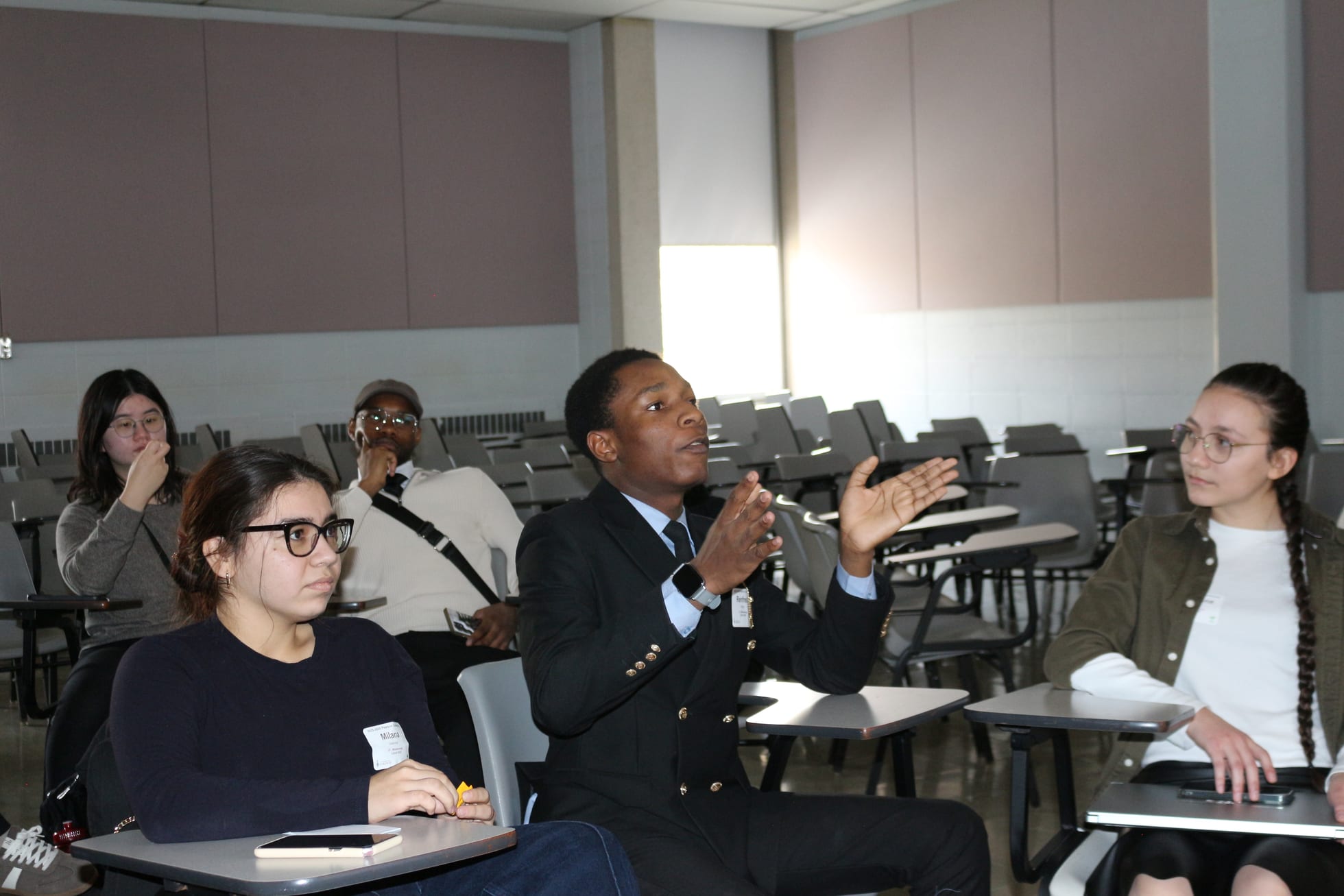
A grading team is only as good as its alignment. When markers interpret a rubric differently, the cracks spread far beyond a few inconsistent scores.
1. Feedback quality inconsistency
Two students submit near-identical answers and receive different marks and different comments. Individually small, these inconsistencies erode the credibility of the whole assessment.
2. Timeliness issues
Misaligned teams spend more time debating edge cases than marking. Turnaround slips, and feedback loses its value the longer it takes to reach students.
3. Rubric effectiveness
A rubric that isn’t calibrated across markers stops being a shared standard and becomes a rough suggestion each grader interprets on their own.
4. Calibration drift
Even aligned teams drift over a long marking session. Without a mechanism to re-anchor, early and late scripts get graded to different standards.
Consistency isn’t a personality trait of good graders — it’s a property of good workflow.
What aligned teams do differently
- Grade one question across every student, not whole scripts in isolation.
- Anchor on a shared rubric and comment library.
- Make progress and outliers visible so drift is caught early.
Ready to see Penciil in your course?
Get a free demo